Cocaine meaning
Cocaine Bio 99.9%: Benefits for Body and Brain | Neurological Effects Explained
Benefits of Cocaine While often associated with recreational use, cocaine (benzoylmethylecgonine) has distinct pharmacological properties that affect both the central nervous system and the cardiovascular system. When sourced at 99.9% purity like Dr. White Labs’ Cocaine Bio, the effects are more consistent and predictable compared to lower-grade adulterated products. Benefits of Cocaine to the body is very important for every consumer and control.
Below is a breakdown of how pure cocaine interacts with the human body and brain.
1. Mechanism of Action: The Dopamine Surge
The primary “benefit” users seek is the intense euphoria. Cocaine works by blocking the dopamine transporter (DAT) in the brain’s reward pathway (specifically the nucleus accumbens).
- Result: Dopamine accumulates in the synaptic cleft, leading to prolonged stimulation of the post-synaptic neuron. Benefits of Cocaine
- User Experience: Intense feelings of well-being, confidence, and euphoria.
2. Cognitive & Mental Benefits
High-purity cocaine acts as a potent psychostimulant. Users often report the following mental enhancements:
- Heightened Alertness: Reduced perception of fatigue and increased wakefulness.
- Improved Focus: Enhanced ability to concentrate on tasks for short periods.
- Increased Energy: A surge of physical and mental vigor, often described as a “clean” energy compared to amphetamines.
- Elevated Mood: Reduction in anxiety or depressive symptoms temporarily due to serotonin reuptake inhibition (in addition to dopamine).
3. Physical Benefits & Physiological Changes
Cocaine also affects the peripheral nervous system, leading to several physical effects:
- Appetite Suppression: Significant reduction in hunger, making it effective for short-term appetite control.
- Pupil Dilation (Mydriasis): Leads to sharper vision in some contexts and increased sensitivity to light.
- Increased Metabolic Rate: Slight increase in body temperature and heart rate, burning calories faster.
- Local Anesthesia: Cocaine is historically significant as the only natural local anesthetic that also causes vasoconstriction (narrowing of blood vessels), which reduces bleeding during medical procedures.
4. Why Purity Matters (99.9% vs. Street Grade)
With Dr. White Labs’ 99.9% Pure, users experience these benefits more uniformly because there are no cutting agents (like lidocaine, baking soda, or levamisole) to alter the onset or intensity of the effect.
- Predictable Onset: Effects begin within minutes (if snorted) or seconds (if smoked/injected).
- Cleaner Comedown: Fewer impurities mean fewer allergic reactions or unexpected side effects.
5. Potential Risks to Consider Benefits of Cocaine
Despite the benefits, high potency carries higher risks:
- Cardiovascular Strain: Increased heart rate and blood pressure can pose risks for those with underlying heart conditions.
- Vasoconstriction: Reduced blood flow can lead to nasal tissue damage if used intranasally frequently.
- Tolerance Buildup: Regular use leads to rapid tolerance, requiring higher doses for the same effect.
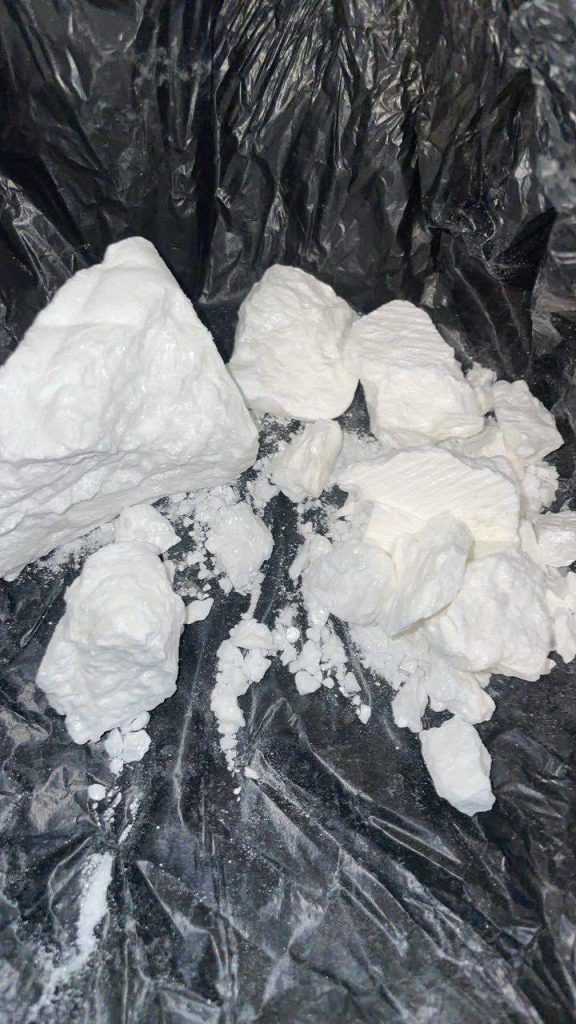
How Does Cocaine Affect the Brain?
Cocaine is an addictive, psychoactive stimulant drug. Psychoactive drugs–other examples of which include ecstasy, heroin, and marijuana–alter the substance user’s mood, behavior, perception, and cognitive processing. Stimulants–like methamphetamine and Ritalin–cause extra brain activity while increasing feelings of alertness and well-being. Upon initially ingesting cocaine, the user will feel a rush of dopamine, known as the feel-good chemical. The brain releases dopamine as a type of reward when life-enhancing behaviors are engaged in. Eating a delicious meal also triggers the release of dopamine as the brain is rewarding the consumption of life-sustaining food. After the initial flood of dopamine, which causes the user to feel euphoric and energized for a while, the brain must replenish the chemicals. During that process, users feel fatigued and depressed. In order to trigger the release of dopamine again, they seek more of the drug.
Cocaine is naturally derived from coca leaves grown in Bolivia, Peru, and Columbia. Coca leaves are part of the Erythroxylaceae family, consisting of small flowering shrubs and trees. The raw coca leaves undergo a series of chemical processes until a powder is produced. The powder is then diluted, or cut, with sugars or anesthetics, reducing its purity but increasing the quantity that can be sold at a profit. Cocaine in the form of crack does not look like a powder, but rather is small, chunky, and irregularly shaped. Due to the appearance, it is known as rocks.